
Skip to content
SRAG Wills: Calm, clear wills guidance for families across the UAE.
SRAG WILLS DUBAI
Back to Will Services in Dubai
TranslationNEW

Wills Translation

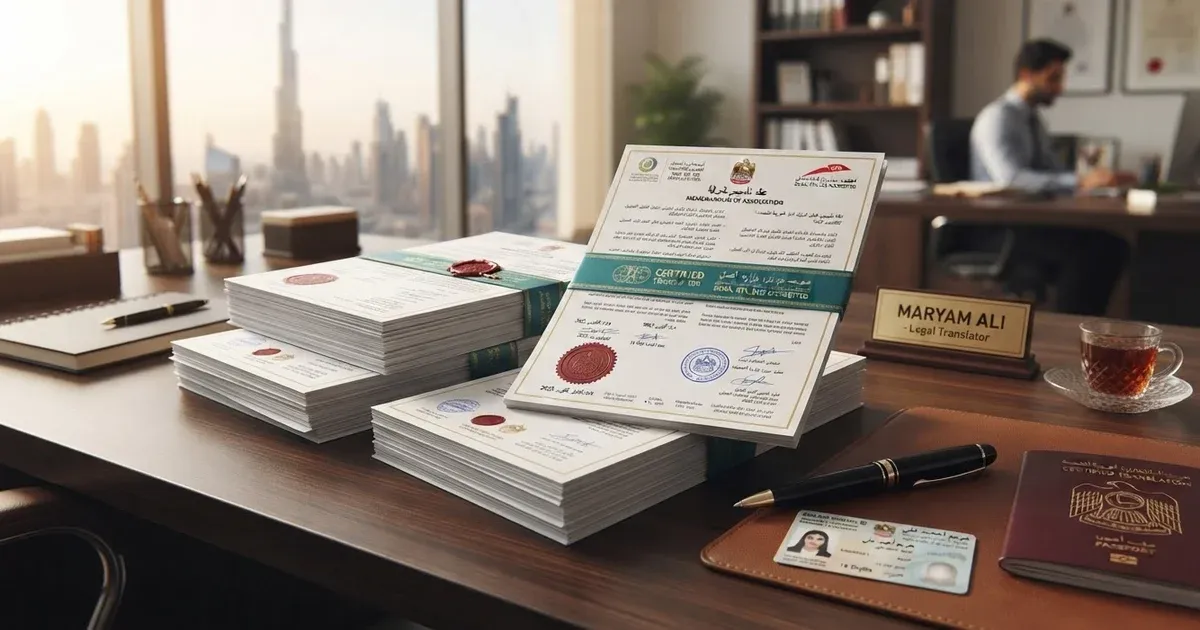
Arabic is the working language of UAE courts, notaries, and most government offices; an English document presented to them is unreadable paper. A certified legal translation — signed and stamped by a Ministry of Justice–certified translator — is what turns it back into something an authority will accept. Machine output and self-translation are refused at the counter.

SRAG Wills prepares certified Arabic and English translations of the documents that orbit a will — foreign judgments, marriage certificates, corporate papers, deeds — for use inside the UAE and abroad, and checks whether attestation is required alongside before any work begins. Translation is charged per document and quoted clearly before we start.

How your documents are translated

1

Document check

We review the document and its destination authority, confirm what certification the end use requires, and quote the fee.

2

Certified translation

A Ministry of Justice–certified translator renders the document in full — no compression, no summarising — and signs and stamps each page.

3

Review and delivery

Every translation is reviewed against the source line by line before delivery, so what you present is what the authority expects.

Disclaimer: SRAG Wills is a wills consultancy, not a law firm or government body. Registration is completed with the DIFC Courts Wills Service or ADJD; estate and inheritance cases are filed with the Dubai Courts.

Get your documents right first

Tell us what the document is and where it is going. We confirm the certification it needs and quote the fee up front.

We respond within one business day.

Frequently Asked Questions

What is a certified legal translation?

A translation produced by a legal translator certified by the UAE Ministry of Justice, who signs and stamps each page and certifies that it is a true and accurate rendering of the original. Government offices, notaries, and courts in the UAE accept documents on this basis — and generally refuse anything else.

When do I actually need one?

Whenever an Arabic-language office has to rely on an English document, or the reverse. Common cases in estate work — a foreign will filed with a Dubai authority, Emirates ID extracts and property title deeds used abroad, court filings, and powers of attorney. The authority you are dealing with confirms its own language requirements before you pay for work you do not need.

Can I translate a document myself or with a machine?

No — not for official use. Machine output and self-translation are refused by UAE authorities. Only a Ministry of Justice–certified translator's stamp carries weight. That is not a formality we invented; it is who is permitted to do the work.

Doesn't the DIFC route work in English anyway?

The DIFC Courts conduct their proceedings in English, which is one of their attractions. But an English will registered with DIFC still meets Arabic-language requirements elsewhere — Dubai Courts, government offices, and other emirates' authorities work in Arabic. Keep the certified translation on file so nothing waits on paperwork later.

Is attestation the same as translation?

No — two separate steps. Translation renders the words; attestation (embassies, then the Ministry of Foreign Affairs) authenticates the document itself. Some foreign documents need attestation before translation, some after, some neither. We check your chain before starting so neither step is done twice or skipped.

What do you need from me to start?

1. A clear, complete copy of the source document. 2. The name of the authority or use it is destined for. 3. Any deadline. We confirm the exact list and the fee at the first contact, before any work begins.

Free expat consultation

Not sure which will is right for you as an expat?

Call free